Permission to Pause
Why stopping is part of the work, not the reward for finishing it.

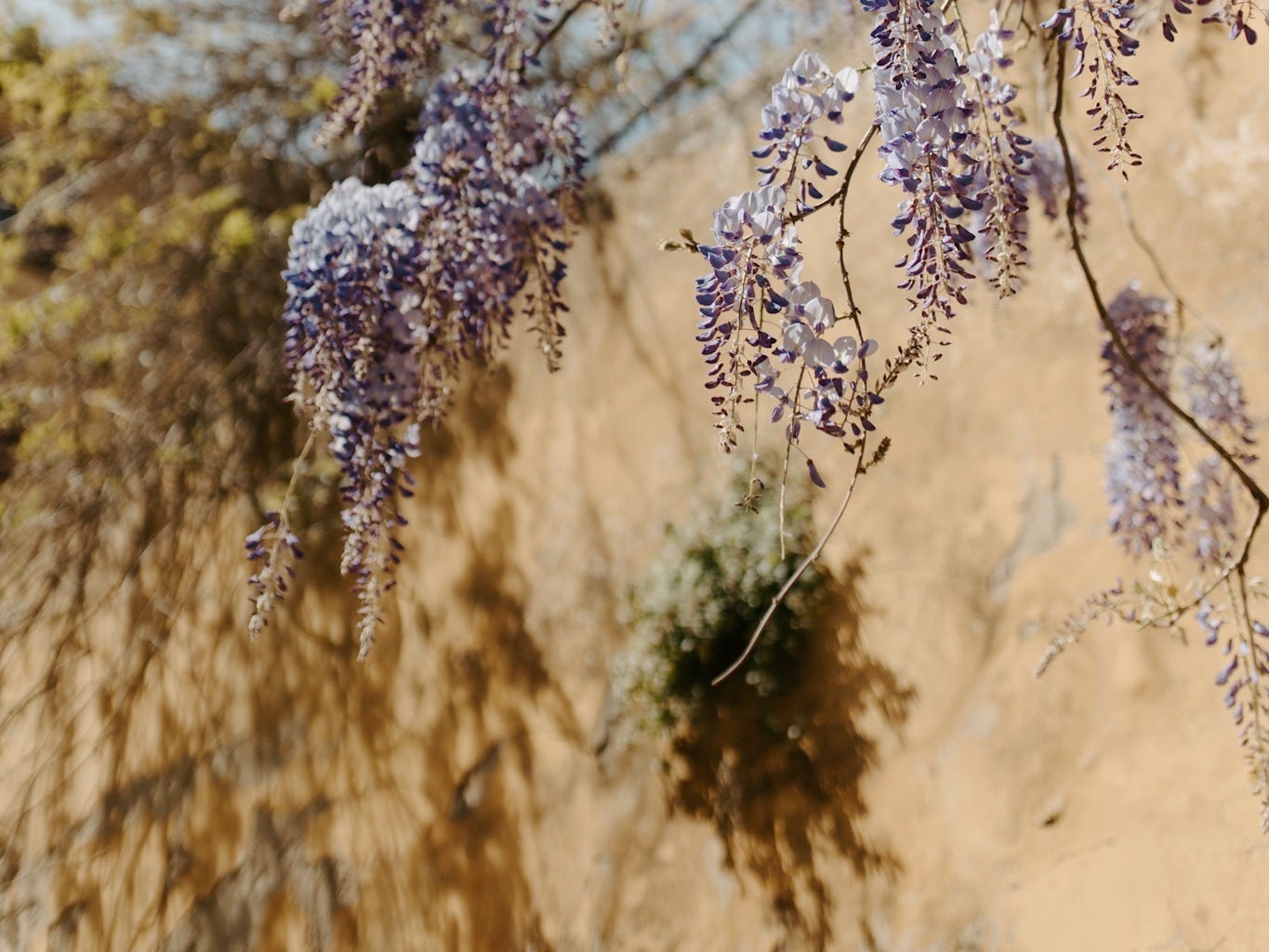
A few thoughts as the term comes to an end.
What’s in a pause?
Yesterday, I facilitated a ‘lunch & learn’ session with Educational Psychologists from across Scotland. There’s a certain kind of nervous energy that comes when working with peers and it was good to feel that again, a reminder of what’s important, what matters.
The session, Permission to Pause, was designed for this exact point in the year. The one that arrives before we’re ready, even though we’ve known it was coming all year, full of unfinished things and a tiredness that’s hard to name.
Afterwards, still warm from the conversation (not just the heatwave), it struck me that it’s a timely reminder for us all, me included. So I wanted to share a little of it here.
We began with a question that sounds simpler than it is:
What is a pause?
Robert Poynton, in Do Pause, offers my favourite insights. Machines are built to run without stopping; people are not, however much we behave as though we were. A pause, in his hands, isn’t a stop or an absence, it’s a change of rhythm. A shift in attention. An opening.
Pauses come in every size, from a single breath to a sabbatical. From a conversation to a walk to a retreat. The length, tone and shape of a pause is wide and varied.
What pauses do you have in your life and work?
Self-sacrifice
Why does this matter so much in work like ours?
Those of us who do relational work are pulled, almost without noticing, into what Richard Boyatzis and Annie McKee call the sacrifice syndrome - the steady giving-of-ourselves that the work asks for.
We will give; it’s the nature of what we do. The giving isn’t the problem, it’s the giving without renewing that is problematic. Sacrifice that has lost its other half - the two were always meant to be a cycle. Life and work will pull or move us into self-sacrifice but the important part is the movement between the two.
This is why pausing is not a luxury or a reward to be earned once everything is finished (and it never is). We’d do better to see it as a professional act.
In this work, we are the instrument. Our attention, our presence, our capacity to stay open to another person - that is the tool. A depleted instrument can’t do nuanced work, and no amount of willpower changes that.
To pause is to tend the very means of doing the thing we care about. It interrupts the cycle of self-sacrifice and offers a form of renewal. It shifts our attention in a way that enables the subtlety and complexity of the work we do.
A tiny experiment
So here’s the small thing I’d like to leave you with as we ready ourselves to tip into the summer pause.
I’m borrowing Anne-Laure Le Cunff’s lovely idea of a tiny experiment - choose one small pause, and simply try it for a while. It’s an experiment, not a promise, which takes the pressure off.
I will [pause] for [duration].
It might look like ‘I’ll get up and move between tasks each day for 3 weeks’. Or ‘I’ll step outside for 5 minutes before breakfast for 10 days’. Or perhaps ‘I’ll read 3 pages of a book each day for the duration of the summer holidays’.
Keep it small enough to begin tomorrow, then notice what it does.
If the idea of pausing as a professional act has prompted a wish to keep a little more room for pausing as the year turns, here are a few things that might keep you company. None of them asks too much, each is simply a way to hold the practice.
Space to Think is a short relational field guide for educators - a small book to return to rather than race through, for anyone wanting to keep a little room for reflection inside demanding, relational work.
Your Woven Year is a seasonal reflective journal: somewhere to pause season by season across a whole year, noticing where you are and what you’re carrying, so the year has a rhythm of return built into it rather than rushing past unmarked.
Weekly Reflections and Weekly Intentions Notepads for a smaller rhythm, two simple companions for the week. One to set intentions as the week opens; one to reflect as it closes. A tiny experiment in pausing, ready-made.
Session 2026-27 will arrive before we’re ready; it always does. But we can meet it a little lighter, and a little more our own, if we let ourselves pause along the way.
Consider this your permission.
With warmth,
Sarah
P.S. If you’d rather pause in company than alone, The Thread - my reflective community for educators - reopens in September. There’s something about pausing together that the solo version can’t quite reach.
A Playlist To Pause With…
Much of Space to Think circles this very theme. If you’d like the idea of pausing to keep you company on a walk or a commute, here are a few conversations to begin with:
E1 · The Power of the Pause, with Robert Poynton - on pausing, improvisation and what an opening in the day makes possible.
E6 · Cultivating Leadership Presence, with Maggie Farrar - on mindfulness as the cornerstone of leading and tending the inner world of busy, tired and often overwhelmed leaders.
E19 · Navigating Burnout, with Hazel Anderson-Turner - on burnout as a deep depletion that disconnects us from our work, our purpose and ourselves, and on recovering through flexibility rather than pushing through.
E26 · Finding Wonder Close to Home, with Claire Fitzsimmons - on ‘explorer days’, curiosity and the quiet restoration of being present in both familiar and unfamiliar places.
E30 · Time and Intentionality, with Sarah Stewart - on pressing pause amid the pace and building a relationship with time that supports us rather than drains us.
E33 · Feeling Alive, with Hannah Buchan - on the gap between the life that looks good and the life that feels good and closing it through small, daily returns.