

When Hope Needs Holding
Early spring, gentle tending and the stories we tell about what’s possible.

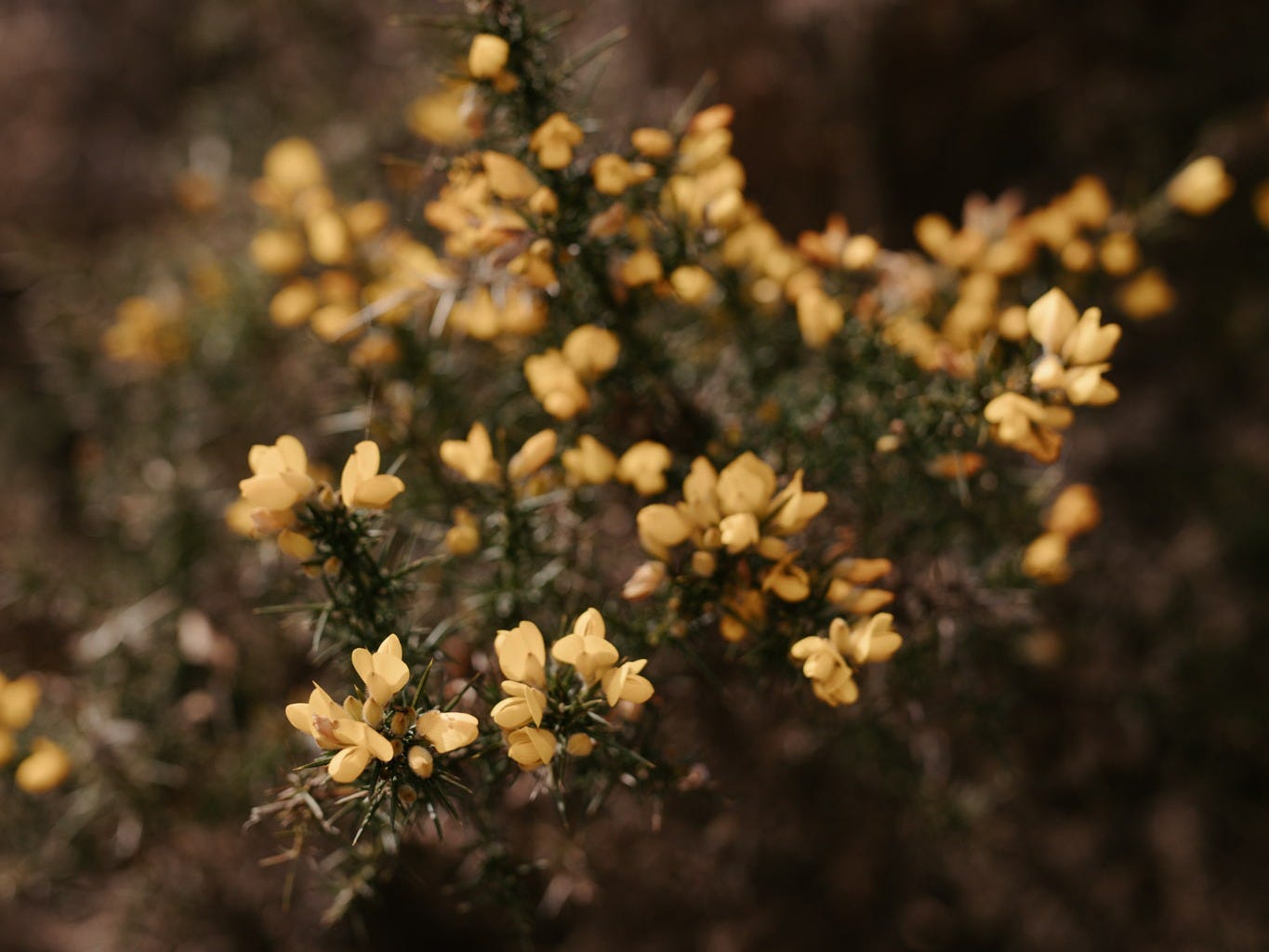
March arrives, and something shifts. The light changes again and the days lengthen just enough to remind you that the stretch is possible. After the long season of winter, that small change carries a promise - more energy and something that feels like hope.
And yet, this is also the hardest seasonal transition for me. There's even a German word for it: Frühjahrsmüdigkeit- spring fatigue. A tiredness brought on by the changeable energy or mood of the season itself.
A couple of weekends ago, I hosted the Spring Workshop in The Thread. We spent some time exploring what hope actually looks and feels like in the day-to-day. Not the grand sweep of it, but the small, practical, ordinary tending of it. The educators in that space - just like you - hold hope for others every day. In the midst of the busyness, it’s easy to forget ourselves.
Since then, these three questions have felt very relevant:
Who witnesses your hope when it wavers?
What tiny action keeps it alive when it doesn’t feel available?
What story are you telling yourself about what’s possible?
I don't think they belong only in The Thread. These questions are for anyone who has found themselves somewhere in February or March, wondering whether they still have the energy for it all.
Hope needs tending. Like a garden in early spring, it doesn’t ask whether you feel ready, but it does need you to show up. To notice the green shoots. To return, again and again, to what matters, even when the ground still feels cold.
Which is part of why I make the things I make.
My weekly reflections and intentions notepads were born from exactly this - a conviction that small, regular moments of noticing can change things. Closing a week with acknowledgement and awareness, or beginning one with a few intentions to hold you through the full days, isn’t a luxury but a way of tending. A way of staying in relationship with yourself and what matters, even when life is very full.
If you’ve been meaning to try them, spring is a great time to begin. Something about the season makes new habits or practices feel possible rather than effortful. And if you’d like the full seasonal companion, the Your Woven Year journal works beautifully alongside them - designed for people who want to move with the natural rhythms of the year rather than against them.
You can find them all here.
On the topic of making things… I have been working away on a microbook and I’ve just sent it to my designer for proofing and typesetting. I’m not going to say too much yet but I wanted to mark its place. It’s something that has grown from the conversations I’ve been lucky enough to be a part of over the last 20 years.
It’s deliberately small in size and large in intention - a field guide designed to be carried, returned to and thought with, rather than read once and set aside. A place to slow down, recognise something familiar and reflect on what quietly, and yet so strongly, runs through how we work together.
I’ve shared it with a few educators for early feedback, which in many ways has been the themes of the book in practise. I’m still learning what it means to be a writer, and I’ve grappled constantly with the stories I tell myself along the way.
I didn’t plan on sharing anything yet, but then an email landed in my inbox - Michael Bungay Stanier’s newsletter - where he was reflecting on his journey of publishing and celebrating 10 years of The Coaching Habit (a brilliant resource btw). It was a timely reminder that we (I) need to appreciate the moments, the achievements more often. He closed with this:
Be a person who celebrates the moments. For your sake, and for ours.
I am really good at helping others do this, making space for their moments and paying forward compliments and feedback but in all honesty, I’m pretty rubbish at doing it for myself. So, reflecting on Michael’s words, I decided now is a good time to share what I’ve been working on and to celebrate being at this stage, as it’s no small thing. The early feedback I’ve received is also something to celebrate.
Full of insight and rich with reflection, it's given me a great deal to think about. This will accompany me.
So here it is, marked. And if you're also sitting with something unfinished that deserves a moment of acknowledgement - I hope this gives you permission to give it one.
More soon. For now, I wish you a hopeful, slowly unfolding April.
Sarah
Podcast Highlights
It’s been a meaningful few weeks on the podcast front, and I’ve loved hearing from so many of you about Wild Fragments - thank you.
As I’ve mentioned, Space to Think: Conversations in Education will become a more focused, coherent home for thoughtful dialogue about education as it is lived, led and felt. The first few episodes are already recorded, and I’m really looking forward to sharing them with you.
In the meantime, here are two recent Wild Fragments:
Wild Fragment #3 comes from my conversation with Cara Redpath, exploring sauna as part of her healing. It’s a conversation about the body, about repair, and the tools we reach for when we need to come back to ourselves.
What are the tools in your own healing toolbox - and which one do you need most right now?

Wild Fragment #4 is drawn from my conversation with Sarah Stewart, reframing our relationship with time. Sometimes what needs to change isn’t the schedule, but how we meet the day.
What is your relationship with time right now?

Changing Conversations - the final episode
And at the end of February Changing Conversations came to a close. For the final episode, I was joined by my original co-host, Billy Burke. We reflected on his journey from Secondary Head Teacher through the pandemic to his current role as Head of Children and Young People at SAMH. It felt like a fitting ending.
If you’ve listened, contributed, challenged or supported the podcast over the years — thank you. Truly.

Yes ! I certainly did
You have a great skill Sarah at delivering the right messages exactly when they are needed. Thank you ☺️